
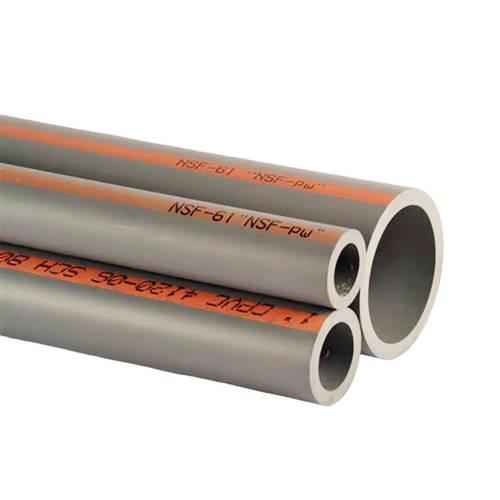
1.5 pipe
A 1.5-inch pipe is a pipe with a nominal diameter of 1.5 inches (approximately 48 mm) suitable for residential, commercial, and light industrial plumbing applications. It is available in various materials and specifications to meet water, drainage, irrigation, and light ventilation needs.
Overview
- Nominal diameter: 1.5 inches (≈ 48 mm) — Actual diameter varies depending on material and specification.
- Standard lengths: 3 or 6 meters (customizable).
- Compatible with common market-leading fasteners and mounting systems.
Available materials
- PVC (Waterproof Plastic): Lightweight, corrosion-resistant, suitable for drinking water and irrigation.
- HDPE (High-Density Polyethylene): Flexible and durable, suitable for buried and low-pressure applications.
- Copper: Heat resistant and suitable for indoor plumbing.
- Galvanized steel/iron: Suitable for structural and high-pressure applications (corrosion protection coatings are recommended).
Note: Exact specifications (wall thickness, working pressure) vary depending on the material and standard size (e.g., Schedule for iron or PN for plastic).
Typical technical specifications
- Nominal diameter: 1.5 inches.
- Length: 3/6 meters (standard).
- Operating pressure range: Depends on the material — from low pressure (PN6–PN10) in plastics to higher pressure in steel/copper (may reach PN16 or higher according to the standard).
- Temperature range: varies depending on the material (plastics usually from -10°C to 60°C, with special materials that can withstand higher temperatures).
Common uses
- Cold and hot water networks (depending on the material).
- Agricultural and domestic irrigation systems.
- Non-pressure drainage and sewage networks.
- Air conditioning and boiler extensions (using materials such as copper and steel).
- Light industrial fluid transport and feeding networks.
Key advantages
- Flexibility in choosing according to the material to suit the application (economical, corrosion-resistant, or to withstand pressure).
- Standard lengths, easy to install and transport.
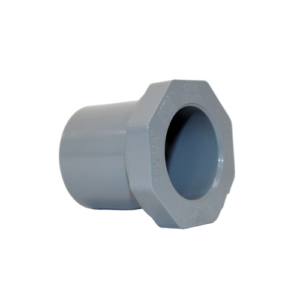
- Compatible with commercially available connectors and fittings.
- Good lifespan when the correct material and construction are chosen.
Installation and safety instructions
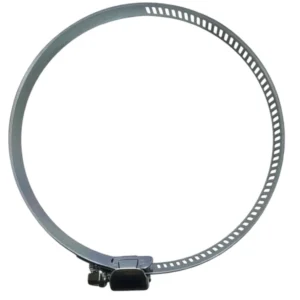
- Make sure the diameter of the pipes, fittings, and clamps is compatible.
- When cutting or tying, use appropriate tools and be sure to remove shavings and impurities.
- When working on hot water or high-pressure systems, choose a suitable material and pressure specification.
- Follow safety instructions when using welding or adhesives (good ventilation, personal protective equipment).
- Test the system with appropriate pressure before full operation to ensure there are no leaks.
Maintenance and cleaning
- Check joints and seams periodically for leaks or corrosion.
- Clean inside the pipes according to the type of liquid present (special drying or disinfection systems may be required at drinking water networks).
- Replace damaged or worn parts immediately to avoid further damage to the system.
Packaging and Warranty
- Packaging: Bundles or plastic/wooden wraps according to length and quantity.
- Warranty: Varies depending on the material and supplier — see seller's terms and product technical specifications.
If desired, I can modify the description to include precise specifications (such as wall thickness, working pressure, ISO/ASTM/DIN manufacturing standard) or create a custom description for a specific material (PVC, copper, steel, HDPE). What are your material or application preferences?
 العربية
  English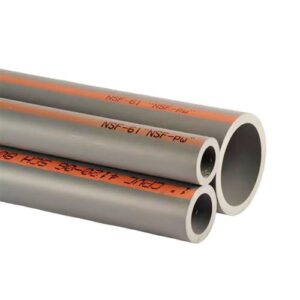
المراجعات
لا توجد مراجعات بعد.